

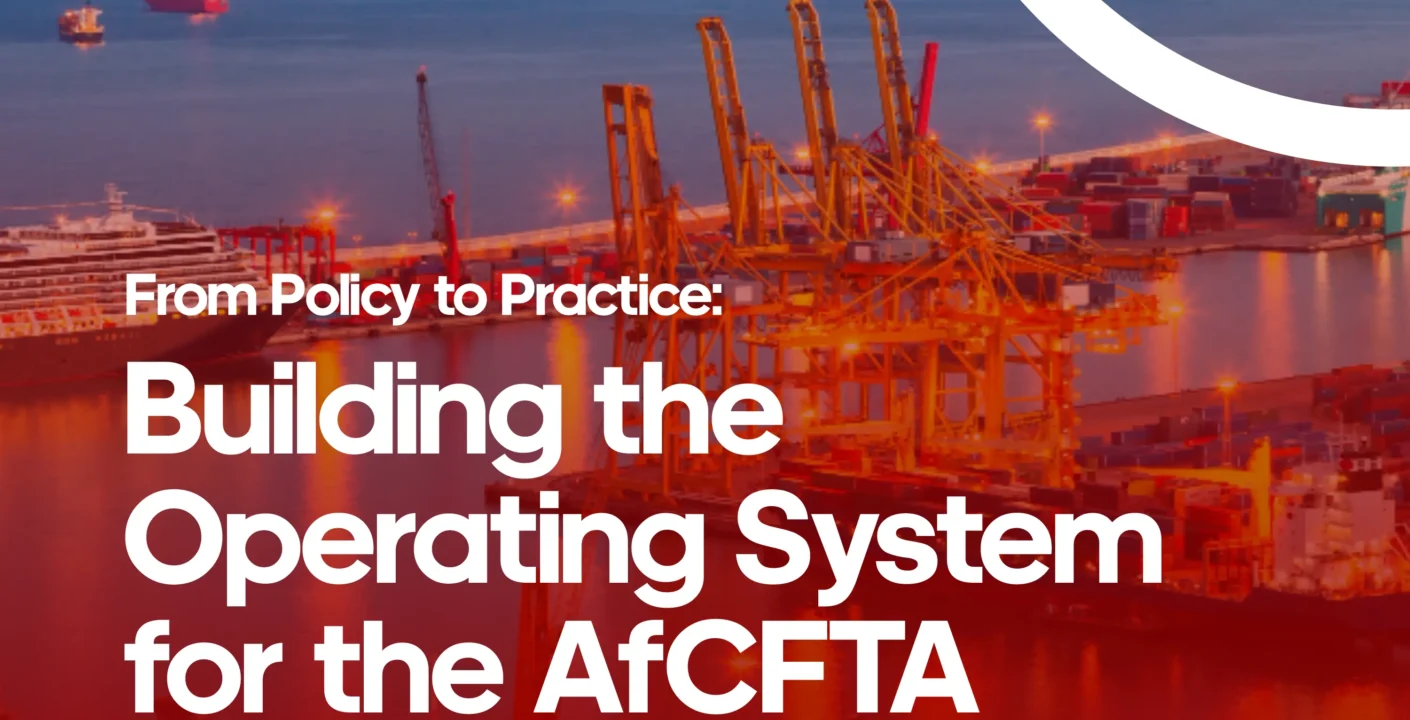
When the African Continental Free Trade Area (AfCFTA) agreement came into force, it was heralded as a game-changer, a single market for 1.4 billion people with a combined GDP of $3.4 trillion. The vision was undeniable: a borderless Africa, powered by its entrepreneurs.
But years later, a persistent gap threatens this promise. The problem is no longer the policy; it’s the operating system. While tariffs are dropping, African SMEs—the engines of our economies are still navigating a labyrinth of non-tariff barriers, information silos, and financing deserts.
The central question for Africa’s future is no longer “What does the AfCFTA promise?” but “Where is the engine to make it run?”
The Execution Gap: Where Vision Meets Reality
At Borderless Trade, our data from pilot programs with over 500 SMEs across East, West, and Southern Africa reveals a consistent pattern. The transition from policy to practice fails at three critical junctures:
- The Information Chasm: 68% of surveyed SMEs cite “inconsistent and inaccessible market information” as their primary barrier. They ask: What are the rules of origin for my product? Which markets have demand for my services? The AfCFTA is a framework, not a step-by-step guide.
- The Finance Desert: The African Development Bank estimates an annual trade finance gap of $81 billion for the continent. SMEs, deemed high-risk, are disproportionately affected. An entrepreneur with confirmed purchase orders from another country still cannot access the working capital to fulfill them.
- The Logistics Labyrinth: The average border crossing in Africa still takes up to 48 hours, with a single truck requiring a stack of 20+ documents. Reduced tariffs mean little if the cost and time of moving goods remain prohibitive.
As Dr. Ada Uzoamaka, our Chief Strategy Officer, often states, “The AfCFTA is not merely a free trade agreement; it is a continental production agreement. Our mission is to provide the logistics, finance, and data infrastructure that turns this vision of production into reality.”
The Borderless Trade Model: A Blueprint for Action
We believe the solution lies not in more dialogue, but in a new digital-native infrastructure. We are building the interoperable layer that connects policy to people. Our approach is built on three integrated pillars:
1. Intelligence: From Overwhelmed to Export-Ready
Our AfCFTA Navigator Platform does more than provide information, it provides a personalized pathway. By inputting their product type, an SME receives a customized dashboard detailing:
- Rules of Origin requirements specific to their goods.
- Tariff schedules and sanitary standards for target markets.
- A curated list of vetted potential buyers and distributors from our network.
2. Finance: De-risking Growth and Unlocking Capital
Through our partnership with the African Export-Import Bank (Afreximbank) and its FEDA initiative, we are piloting a Data-Driven Trade Finance Facility. This innovative model uses transaction data from our marketplace—order history, buyer ratings, logistics performance, to create a “trust score” that helps de-risk SMEs for lenders, unlocking the working capital they need to scale.
3. Logistics: Creating Frictionless Corridors
We are moving beyond advice to action. In collaboration with customs authorities in Ghana, Kenya, and South Africa, we are testing Digital Trade Corridors. These corridors use a harmonized digital system for key documents (e-Certificates of Origin, e-Phytosanitary certificates), aiming to cut border transit times by over 60%.
Case in Point: Turning a Local Producer into a Continental Supplier
Take “GreenGold,” a small but ambitious shea butter producer in Northern Ghana. Despite having a high-quality product, their export ambitions were limited to neighboring Togo. Through Borderless Trade, they:
- Used our Navigator Platform to identify a high-demand market in Namibia.
- Connected with a impact-focused cosmetics distributor through our verified marketplace.
- Secured a $50,000 pre-shipment finance facility through our partner network to fulfill the large order.
- Shipped their goods using a vetted logistics partner on our platform, with documentation pre-cleared digitally.
Result: GreenGold increased its monthly cross-border revenue by 200% within one quarter, creating 15 new local jobs.
The Future is a Collaborative Ecosystem
No single entity can build this future alone. Our work is powered by strategic collaboration. We are proud to be an official Technology Partner to the AfCFTA Secretariat and to work with institutions like Trademark Africa and the International Trade Centre to ensure our solutions are scalable and aligned with continental standards.
For global investors and partners, this is more than an African story. In an era of supply chain reconfiguration, a functionally integrated Africa represents the world’s most significant untapped opportunity for growth and resilience. Borderless Trade is building the transparent, reliable, and efficient infrastructure that makes this market accessible and investable.
Join Us in Building a Borderless Africa
The vision is set. The framework is signed. Now, we build.
The future of trade is not just continental—it’s borderless.

3 Comments
This is exactly what i was looking for, thank you so much for these tutorials
It would be great to try this theme for my businesses
What a nice article. It keeps me reading more and more!